




Raksha Bandhan Celebration Ideas 2026: How to Make Rakhi Day Actually Memorable
Why Personalised Rakhi Gifts Feel More Special: The Psychology of Putting a Name on It
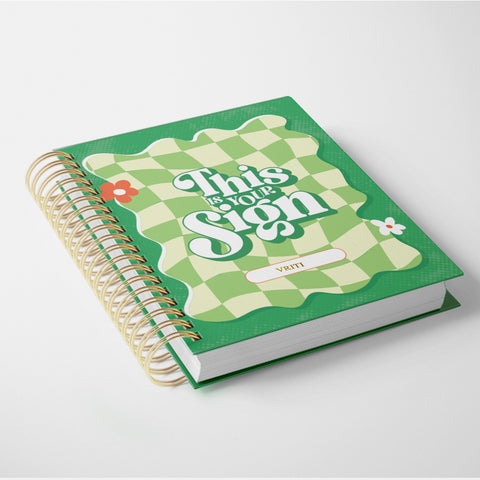
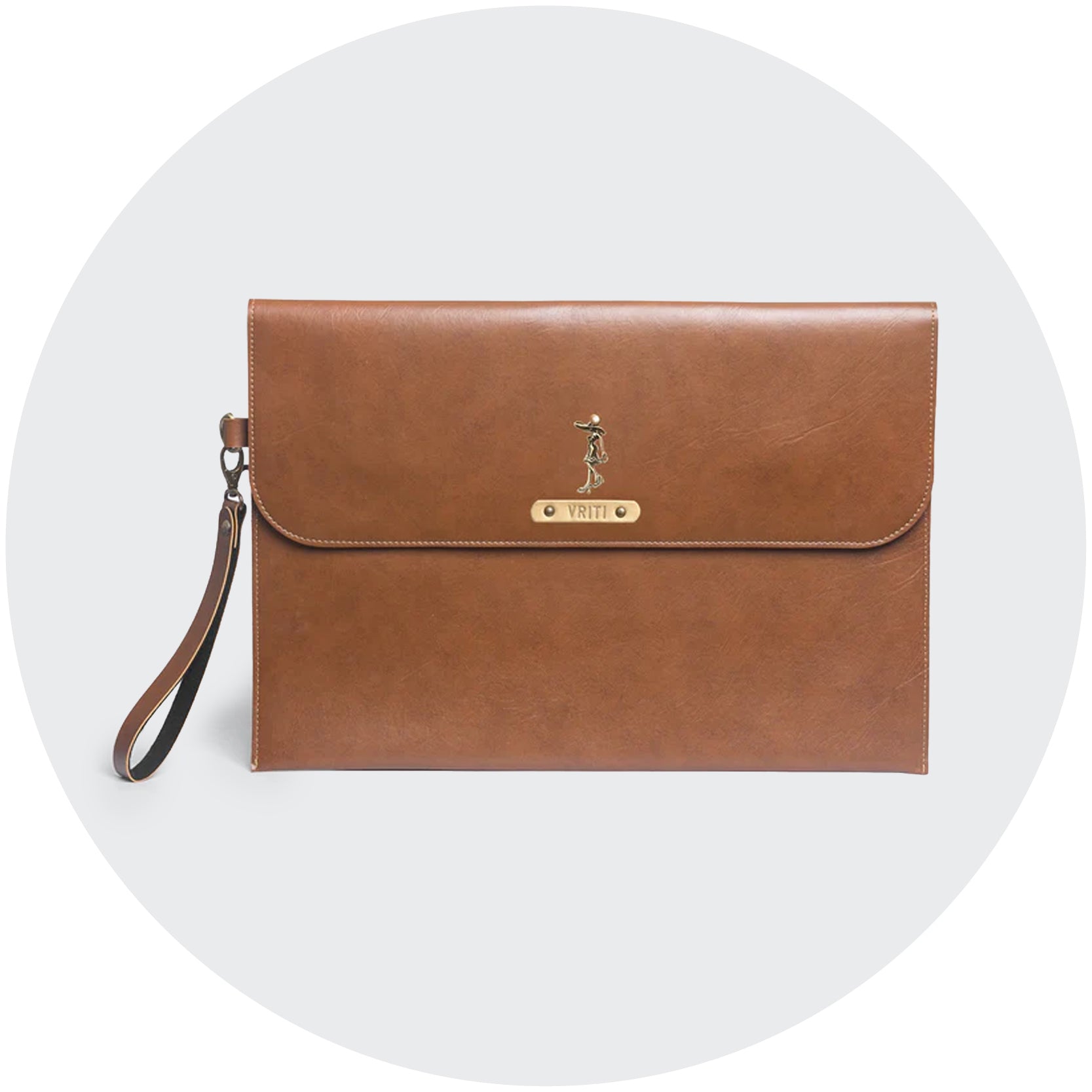
Personalised gifts feel more special because they signal effort and thought, not just money. Psychology calls this the "costly signal" a name, nickname, or inside joke on a gift proves the giver spent time thinking about the receiver specifically. On Raksha Bandhan, where the gift represents the relationship itself, that signal matters more than the price tag.
Every August, the same scene plays out in homes across India. A brother hands over a gift, a sister opens it, and in that half-second before she reacts, both of them know the truth: was this chosen, or was this bought? Chocolates, cash envelopes, and last-minute perfume sets are bought. A mug with the nickname only your family uses that was chosen. This post is about why that difference lands so hard, and what it tells us about what siblings actually want from each other on Rakhi.
The Effort Is the Gift
Behavioural researchers have a blunt finding about gifting: receivers consistently value the thought behind a gift more than its market price. A ₹500 object that required knowing the person outperforms a ₹5,000 object that required only a wallet. Psychologists call this effort signalling the gift is proof of attention.
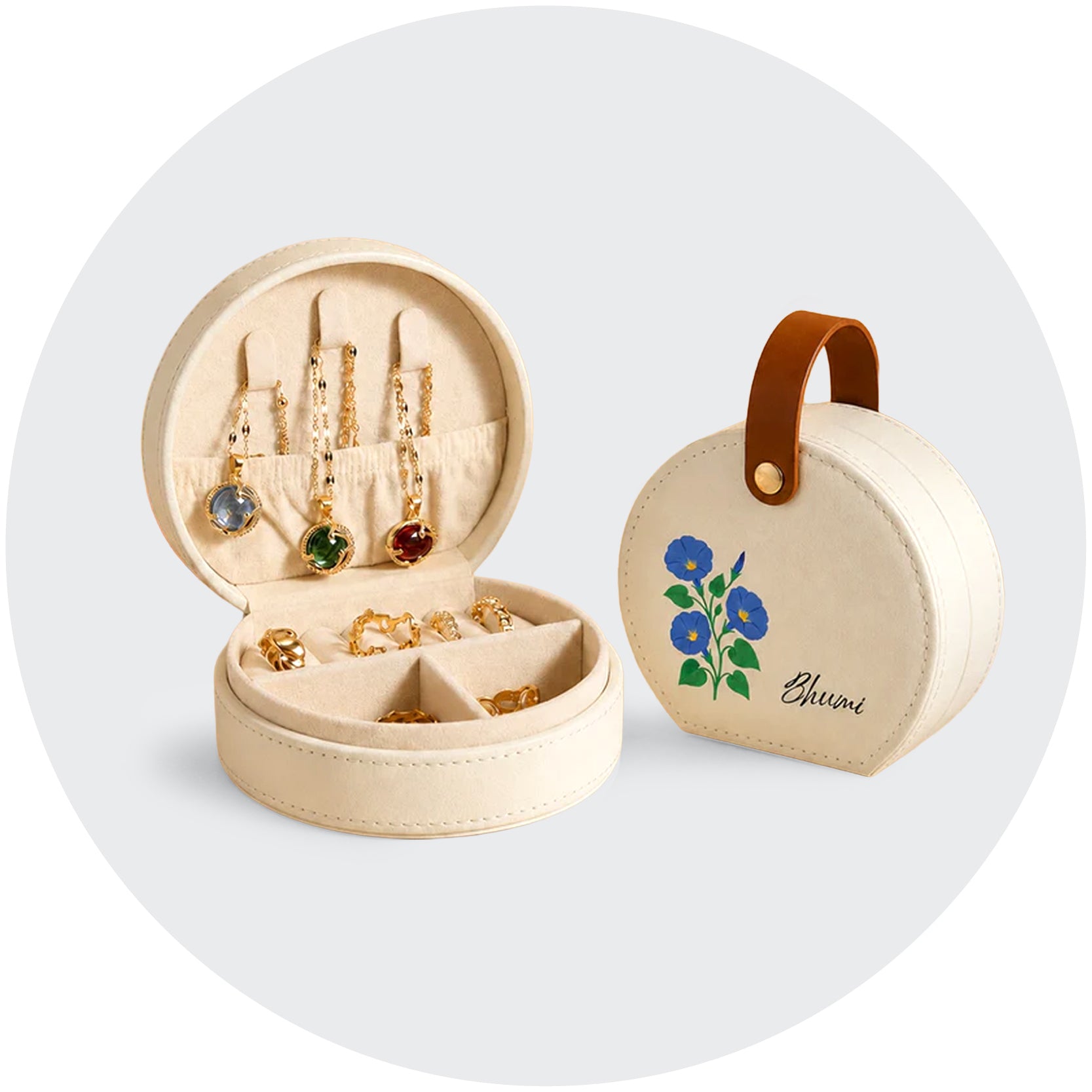
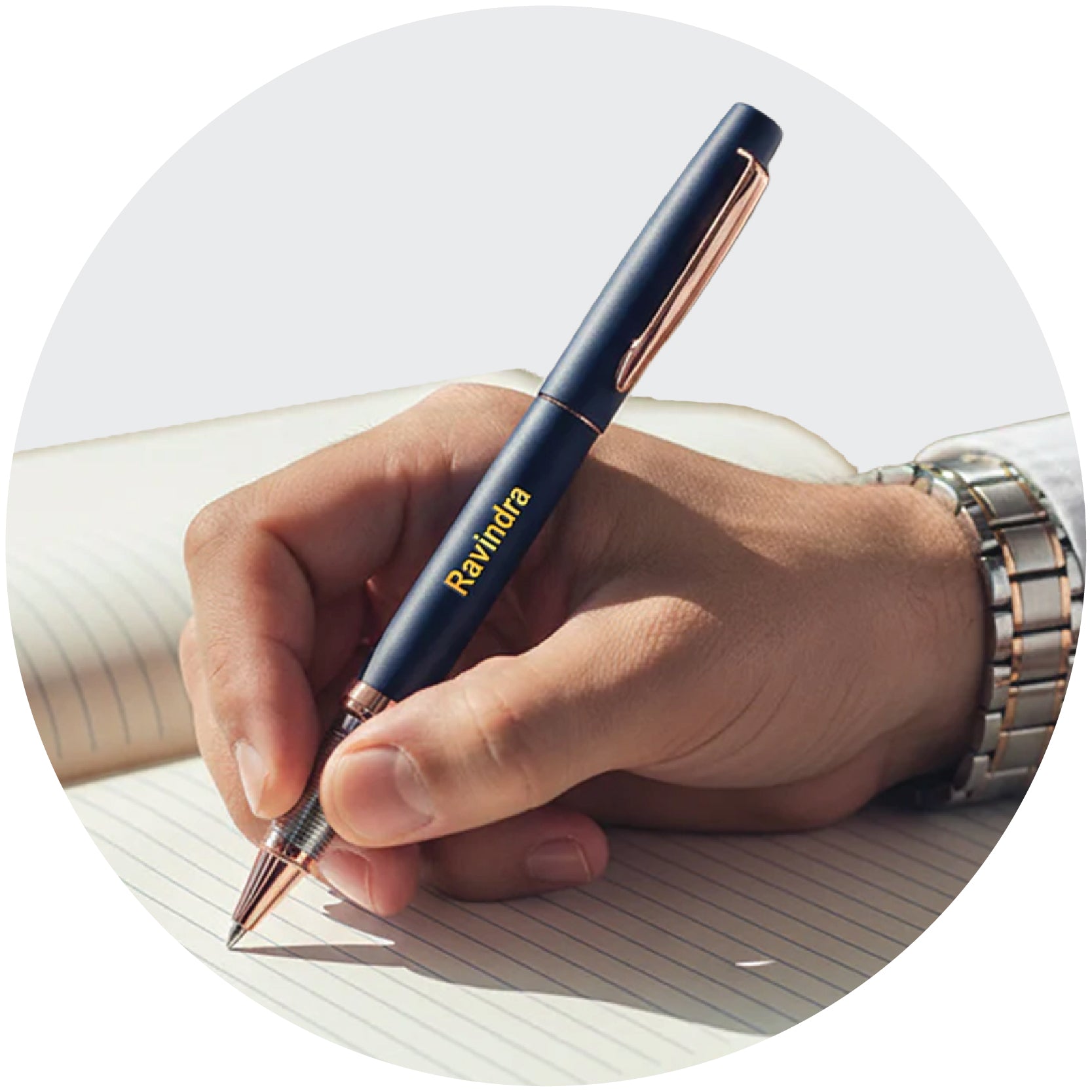
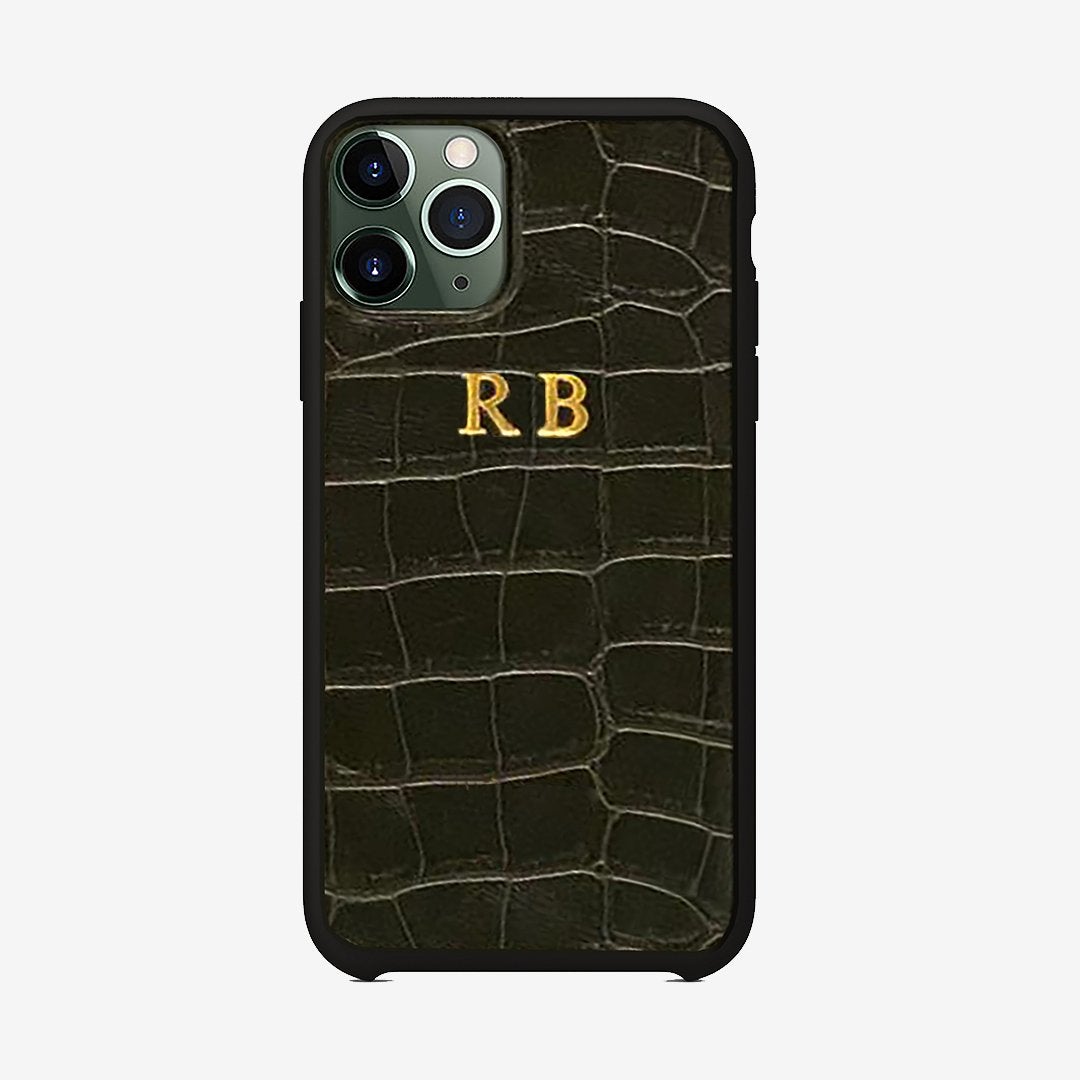
Personalisation is the most visible form of that proof. You cannot put someone's name, their birth month flower, or the year of a shared memory on an object without having thought about them for longer than the checkout page took. The engraving is really a message: I was thinking about you before today.
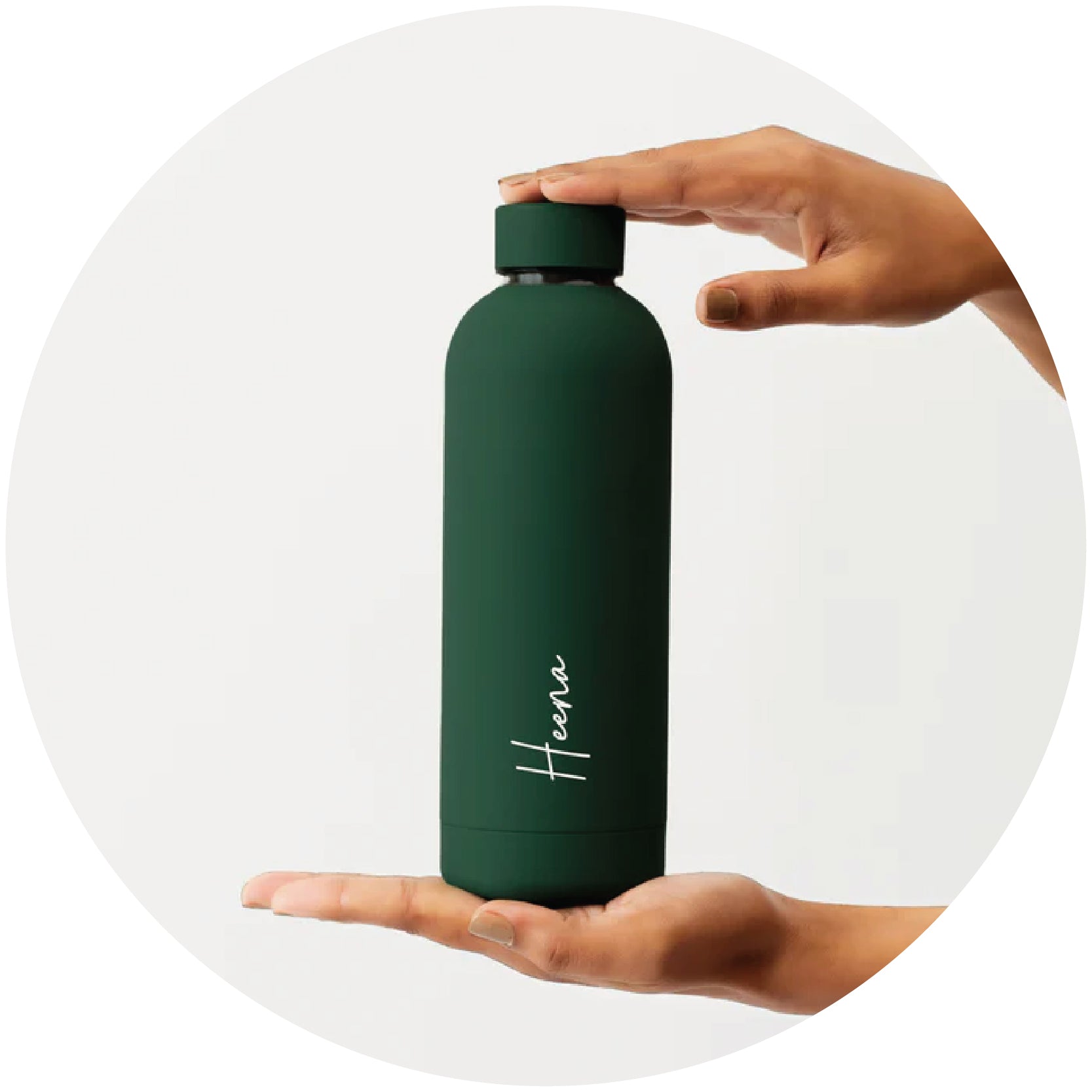
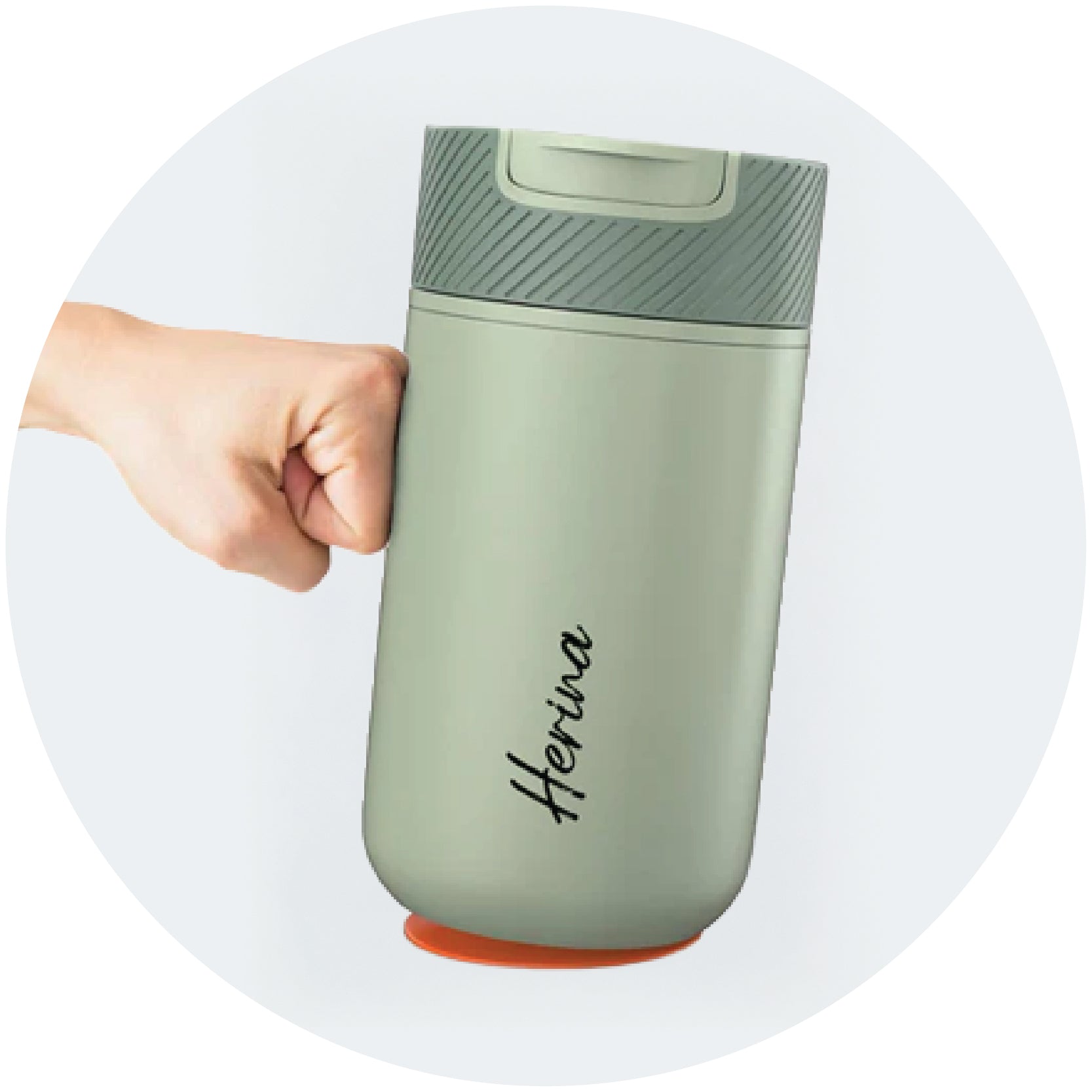
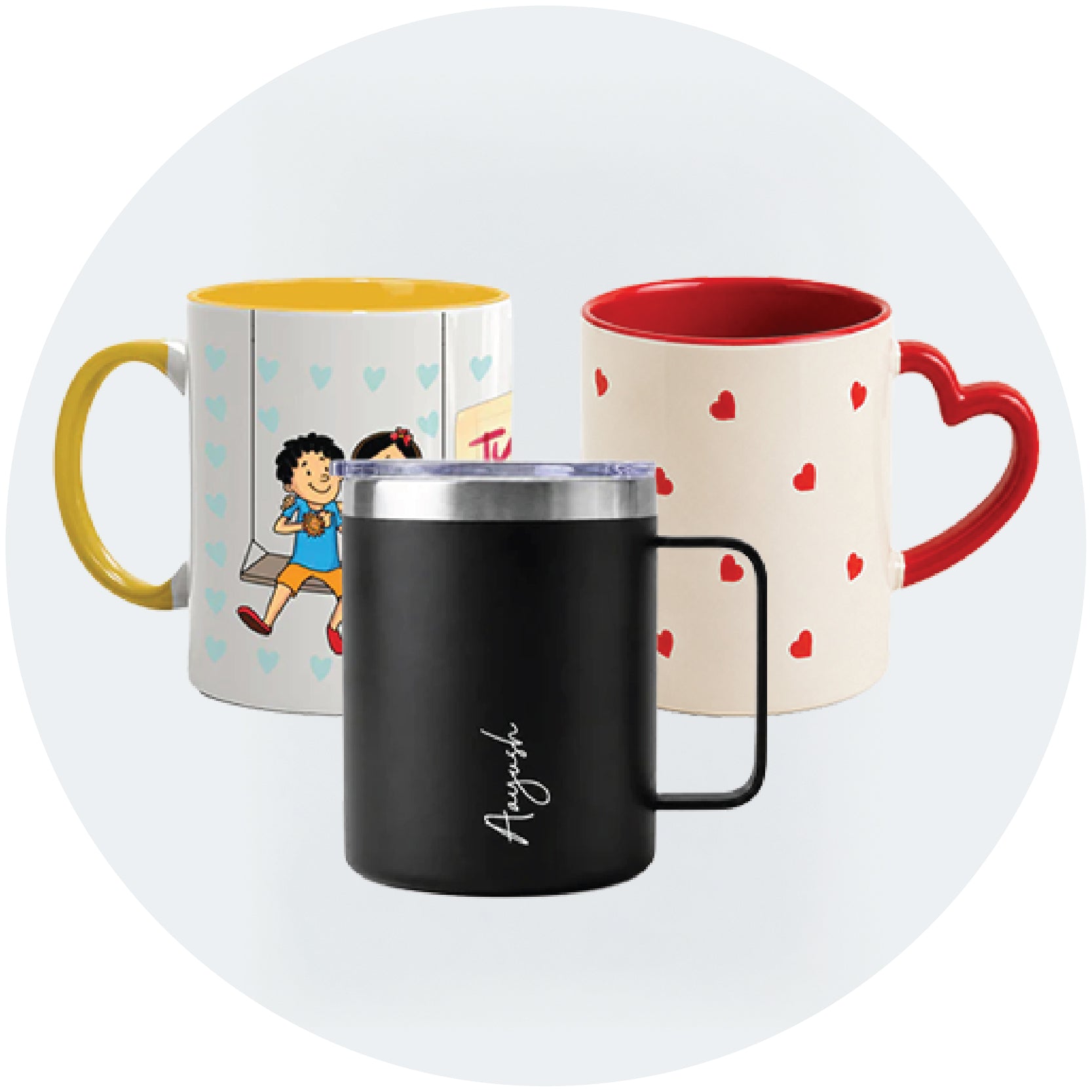
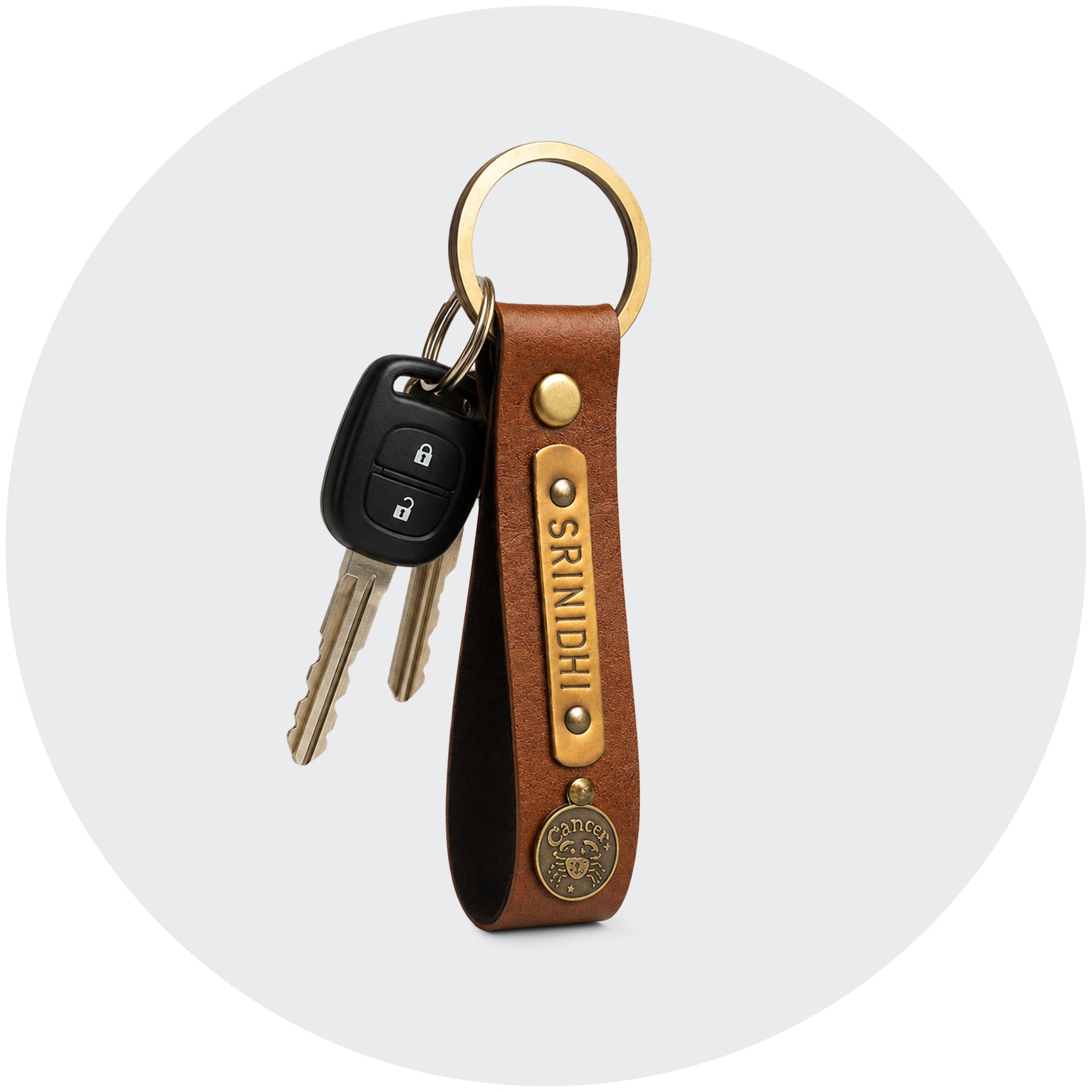
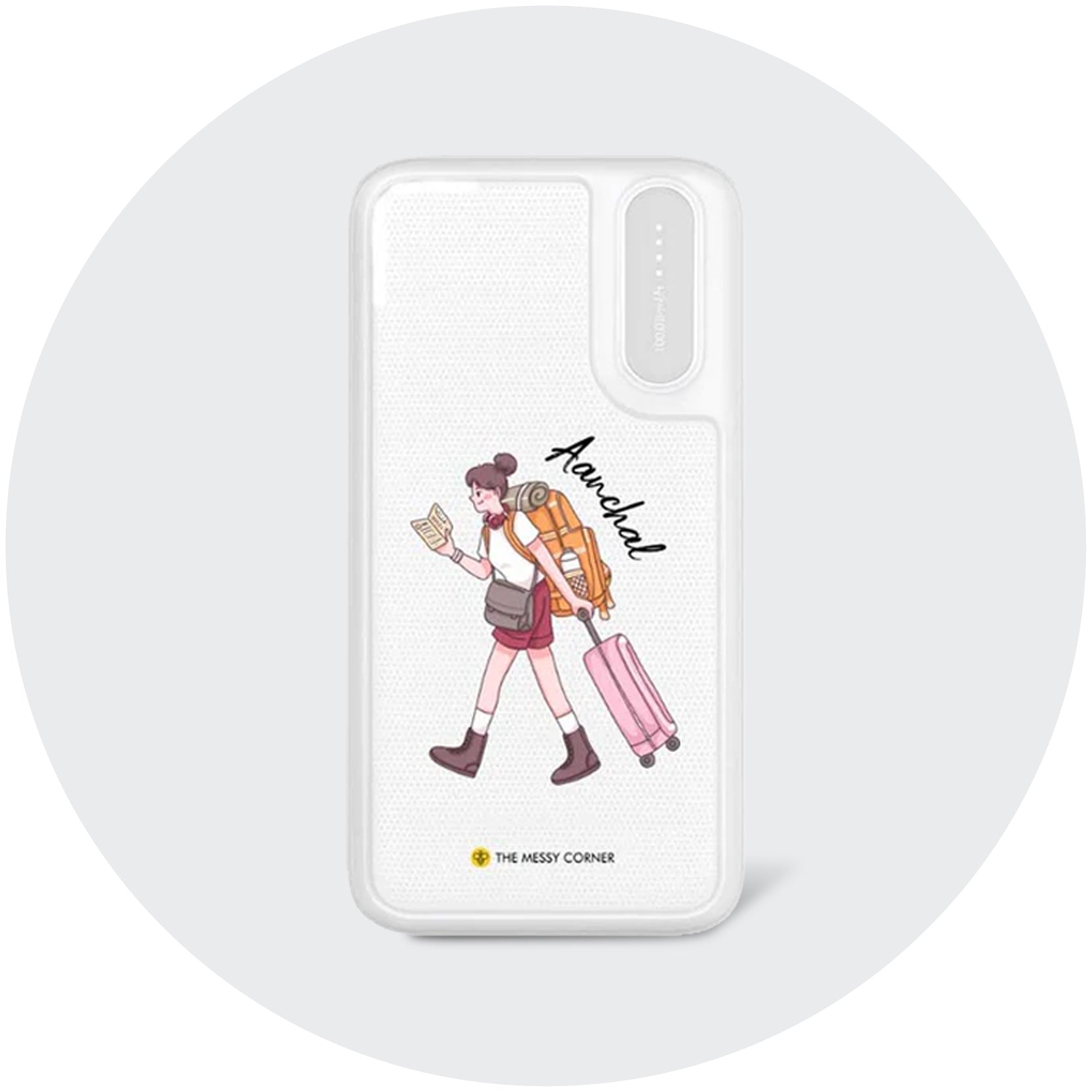
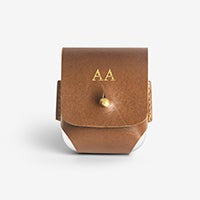
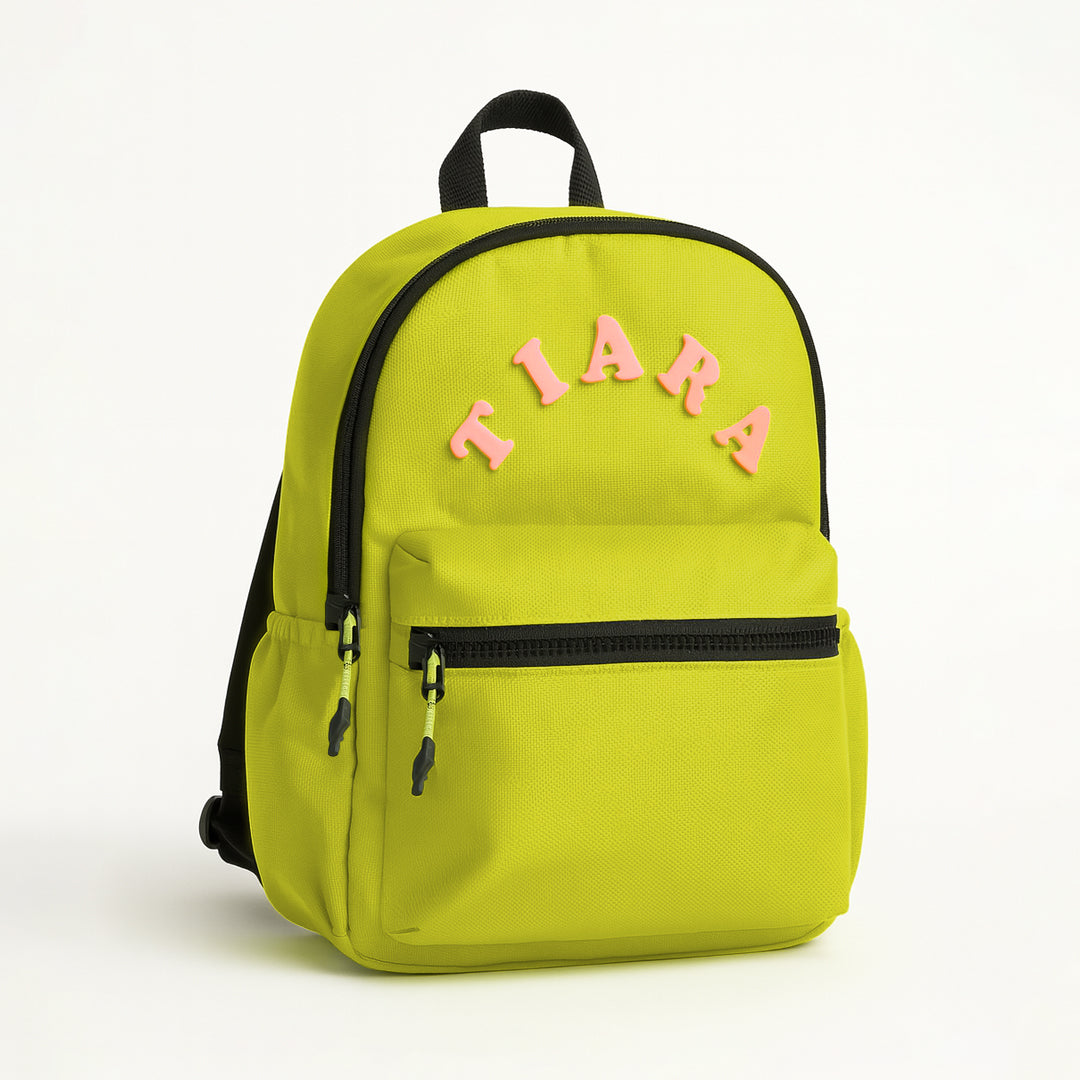
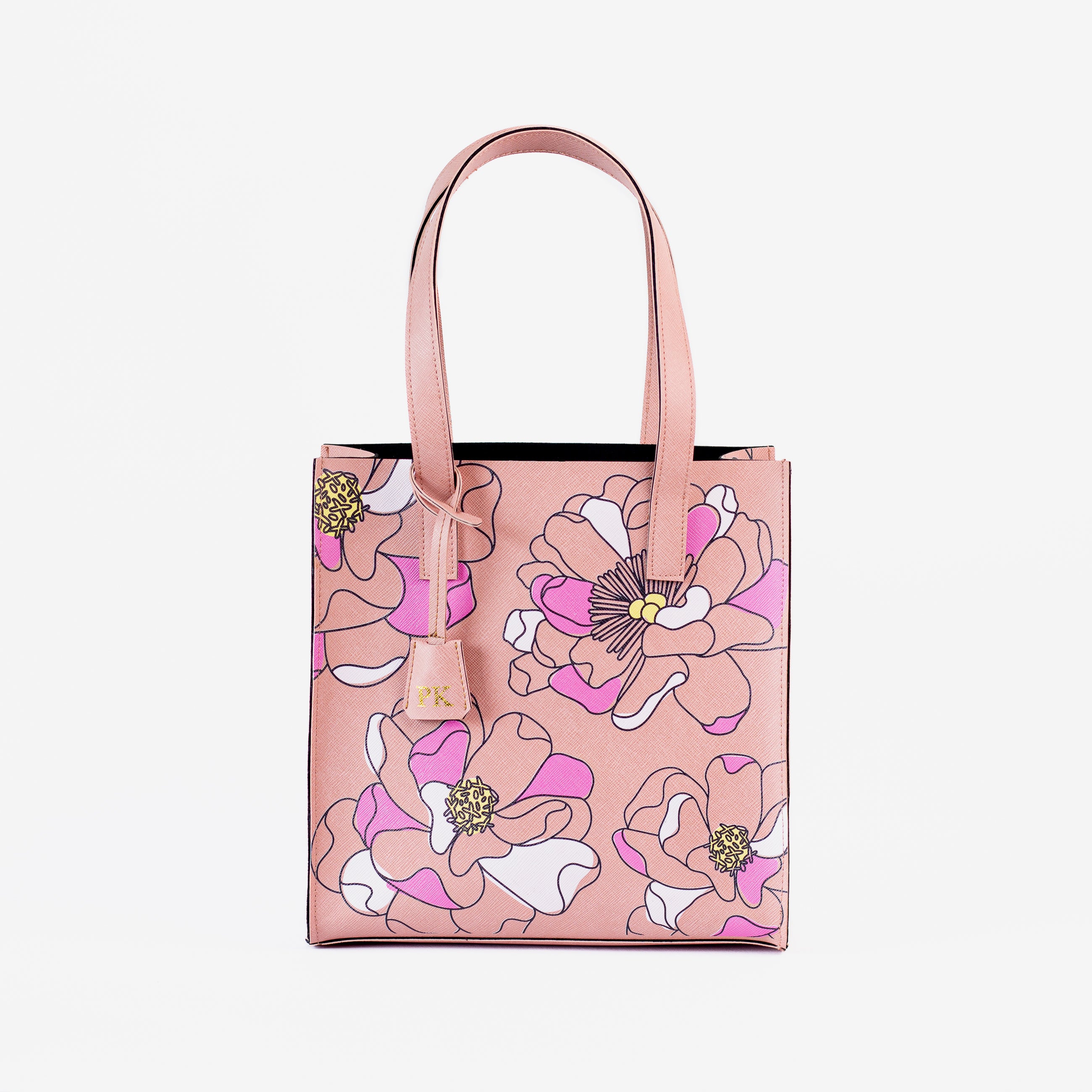
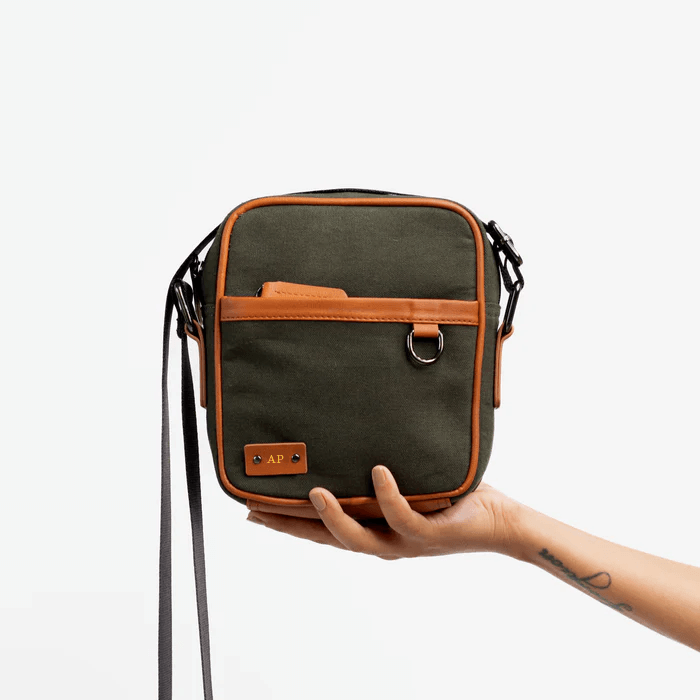
Running The Messy Corner, we get a front-row seat to this every Rakhi season, and the data is telling: the most common personalisation is not a formal name. It is "Bhai," "Chhotu," "Didi," a childhood nickname the person has been trying to outrun for twenty years. Nobody engraves for strangers. The name on the gift is shorthand for the whole history between two people.
The Endowment Effect: Why Personalised Gifts Never Get Regifted
Psychology has a second answer for why these gifts stick: the endowment effect. People value things more once those things feel like theirs and nothing makes an object feel like yours faster than your own name on it.
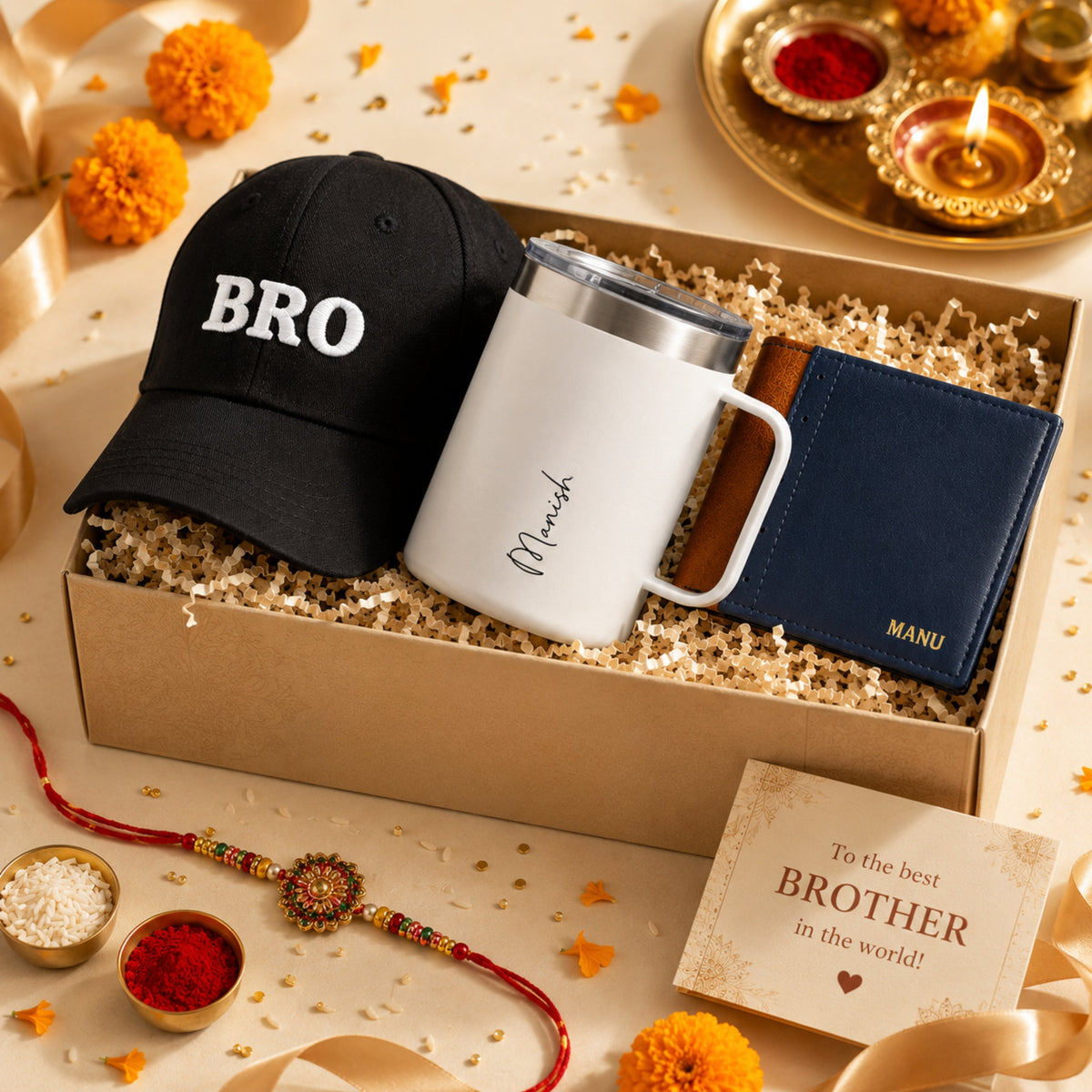
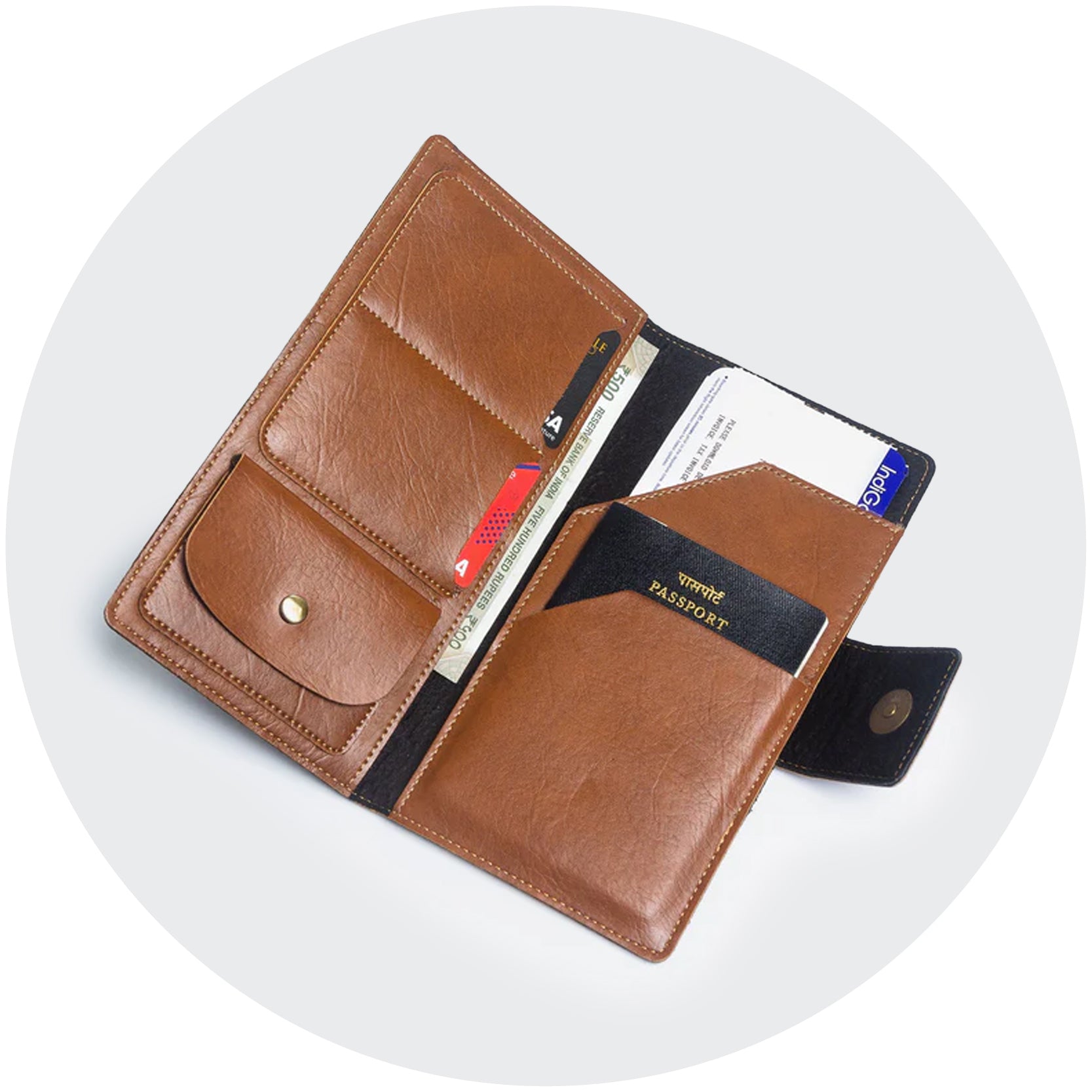
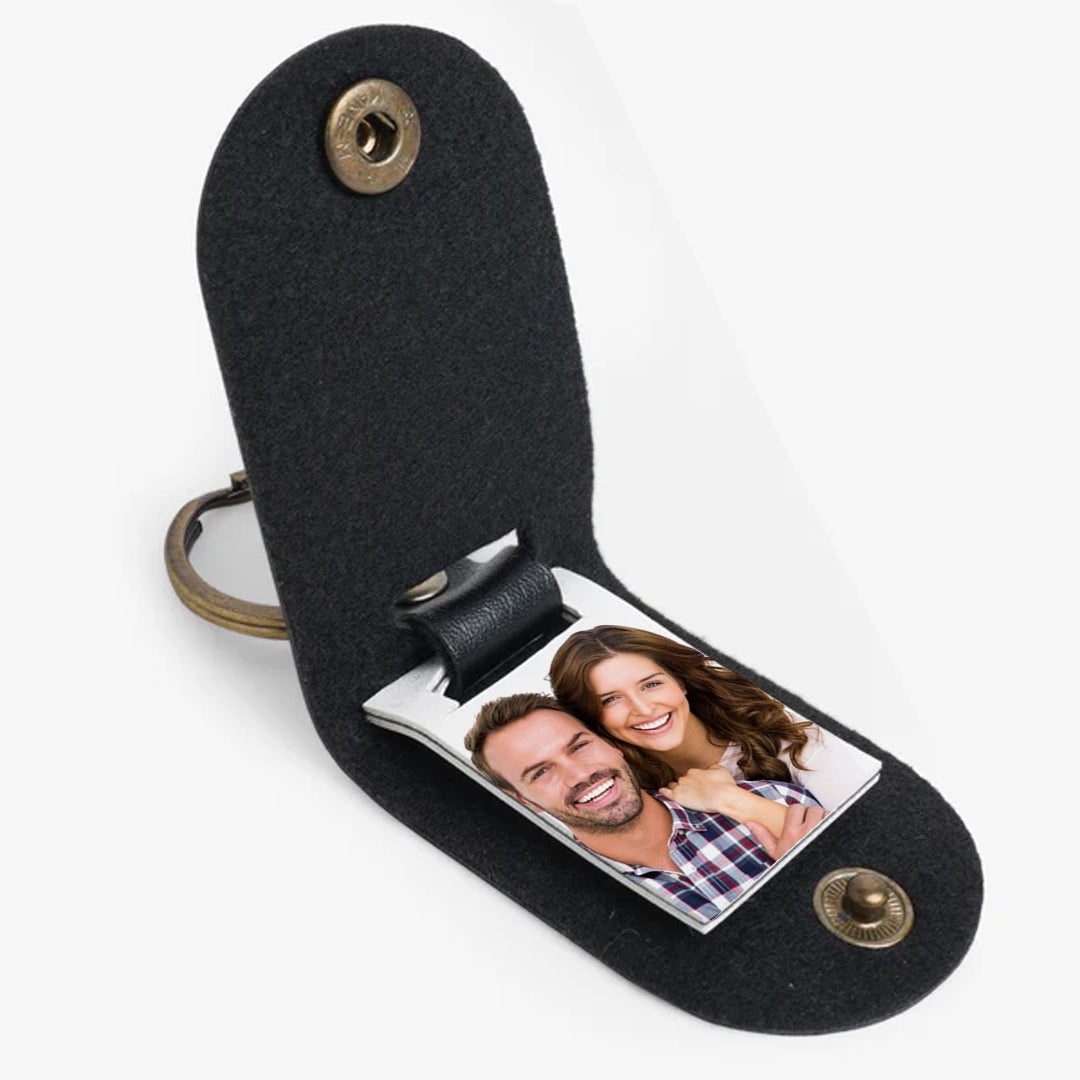
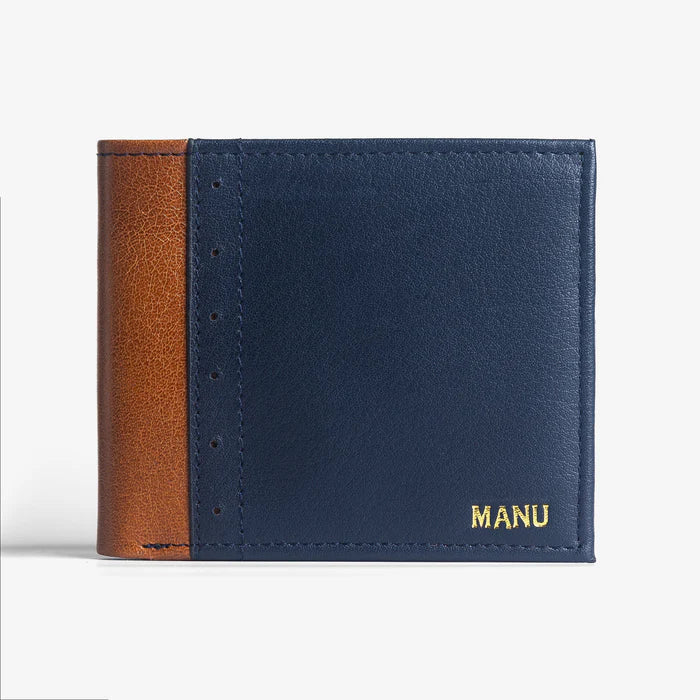
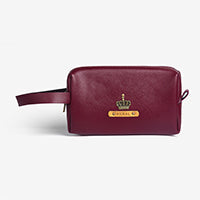
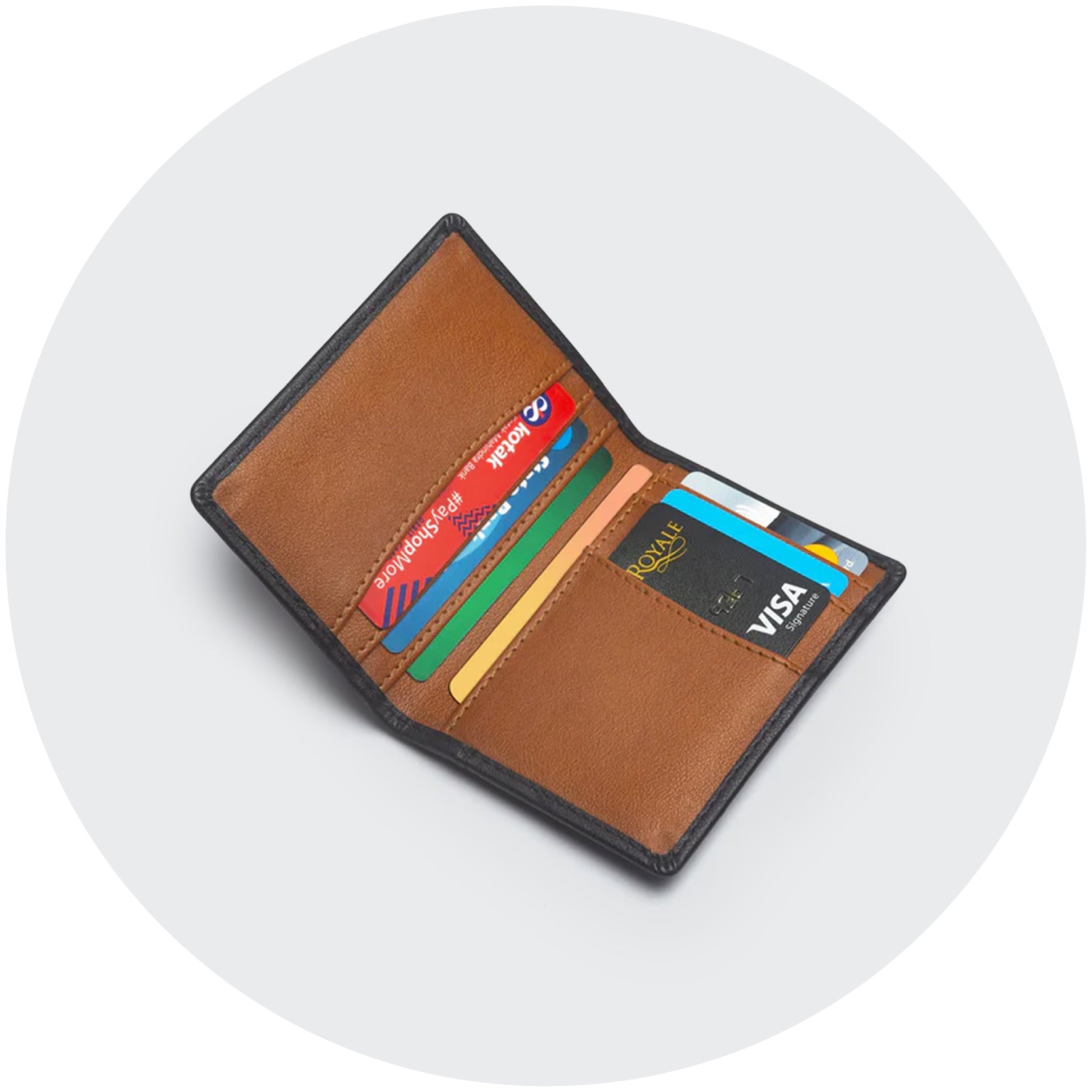
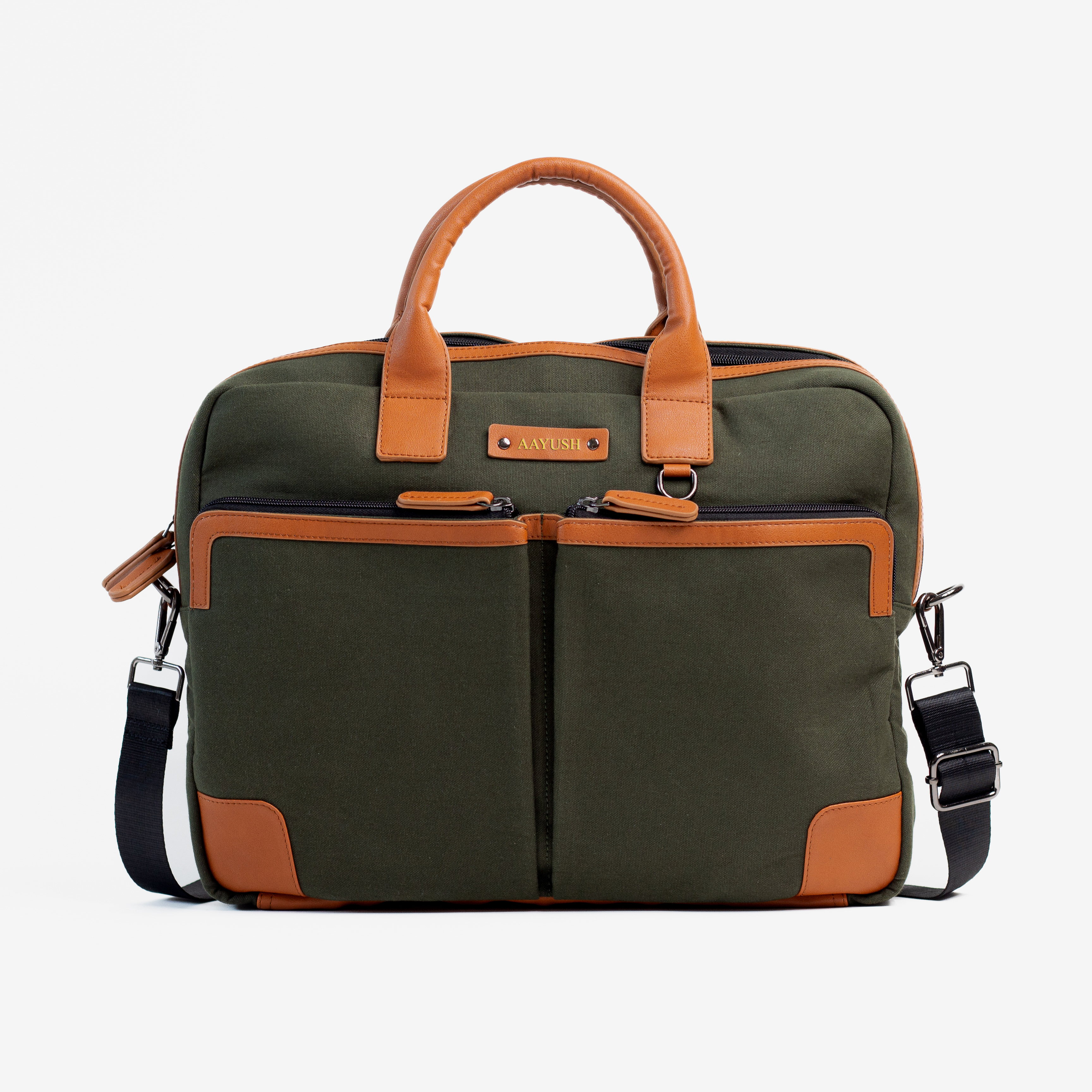
This is why a generic wallet gets compared to other wallets, but a wallet with his initials gets kept until it falls apart. It has exited the marketplace. It cannot be exchanged, regifted, or absorbed into the household the way a box of dry fruits is. It has exactly one owner, permanently. On a festival about a bond that also has exactly two people in it, that permanence is the point.
Why This Matters More on Raksha Bandhan Than Any Other Day
Most gifting occasions celebrate an event; a birthday, a promotion, a wedding. Raksha Bandhan celebrates a relationship. The thread and the gift are stand-ins for the bond itself, which raises the emotional stakes of getting it right.
A generic gift on a birthday says "I remembered the date." A generic gift on Rakhi risks saying "I remembered the obligation." Siblings are also uniquely hard to impress; they have known you too long to be fooled by wrapping paper. Which is why the gifts that land on Rakhi are almost never the expensive ones. They are the specific ones: the photo from the 2009 family trip, the reference to a fight over the TV remote, the nickname nobody else is allowed to use.
How to Choose a Gift That Feels Chosen
You do not need a psychology degree; just three questions before buying anything:
- Would this gift make sense for any brother, or only mine? If any brother could receive it, keep thinking.
- Does it reference something only we share? A memory, a joke, a nickname, a habit. Specificity is the whole game.
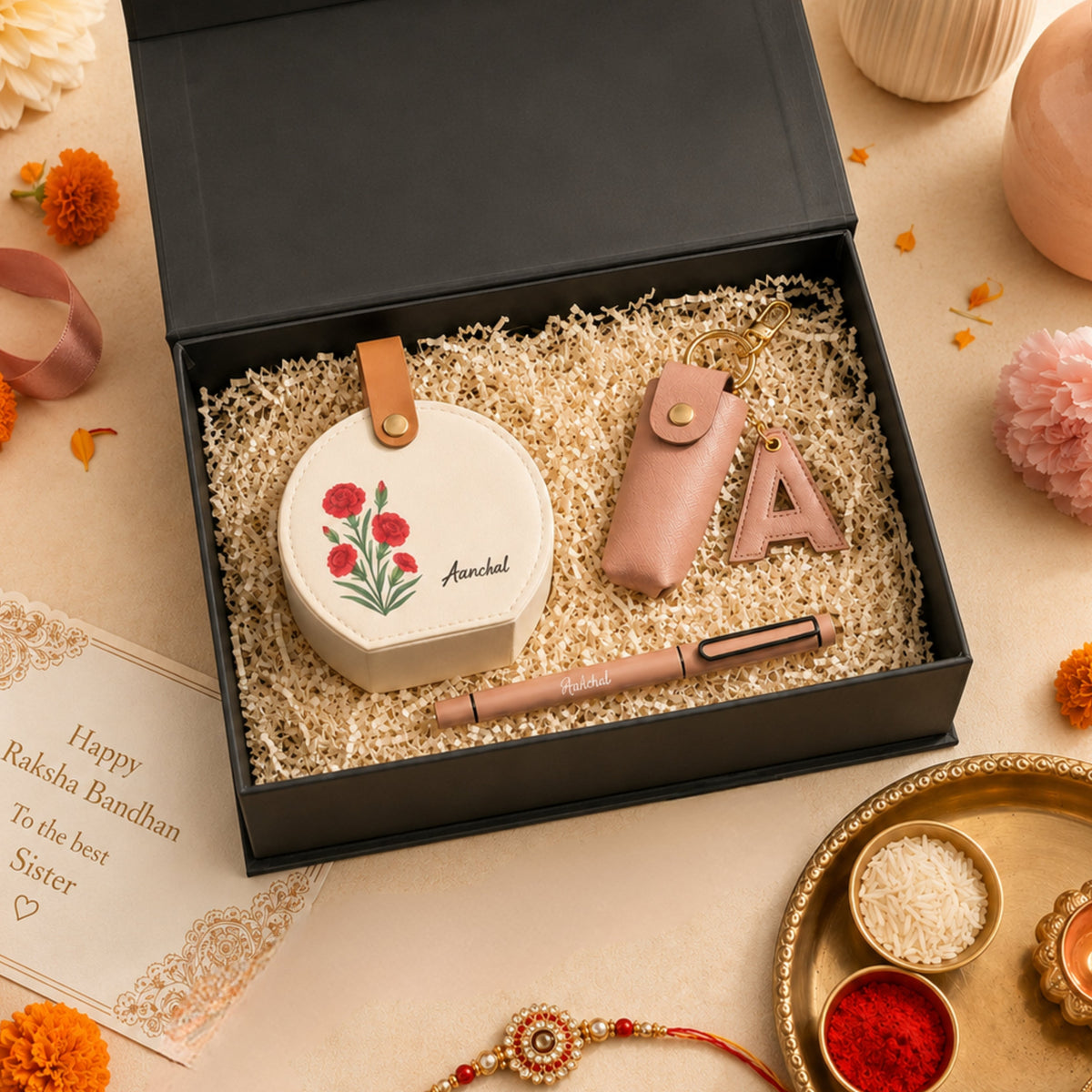
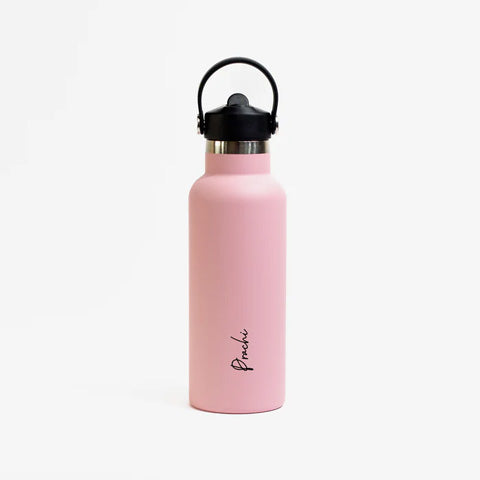
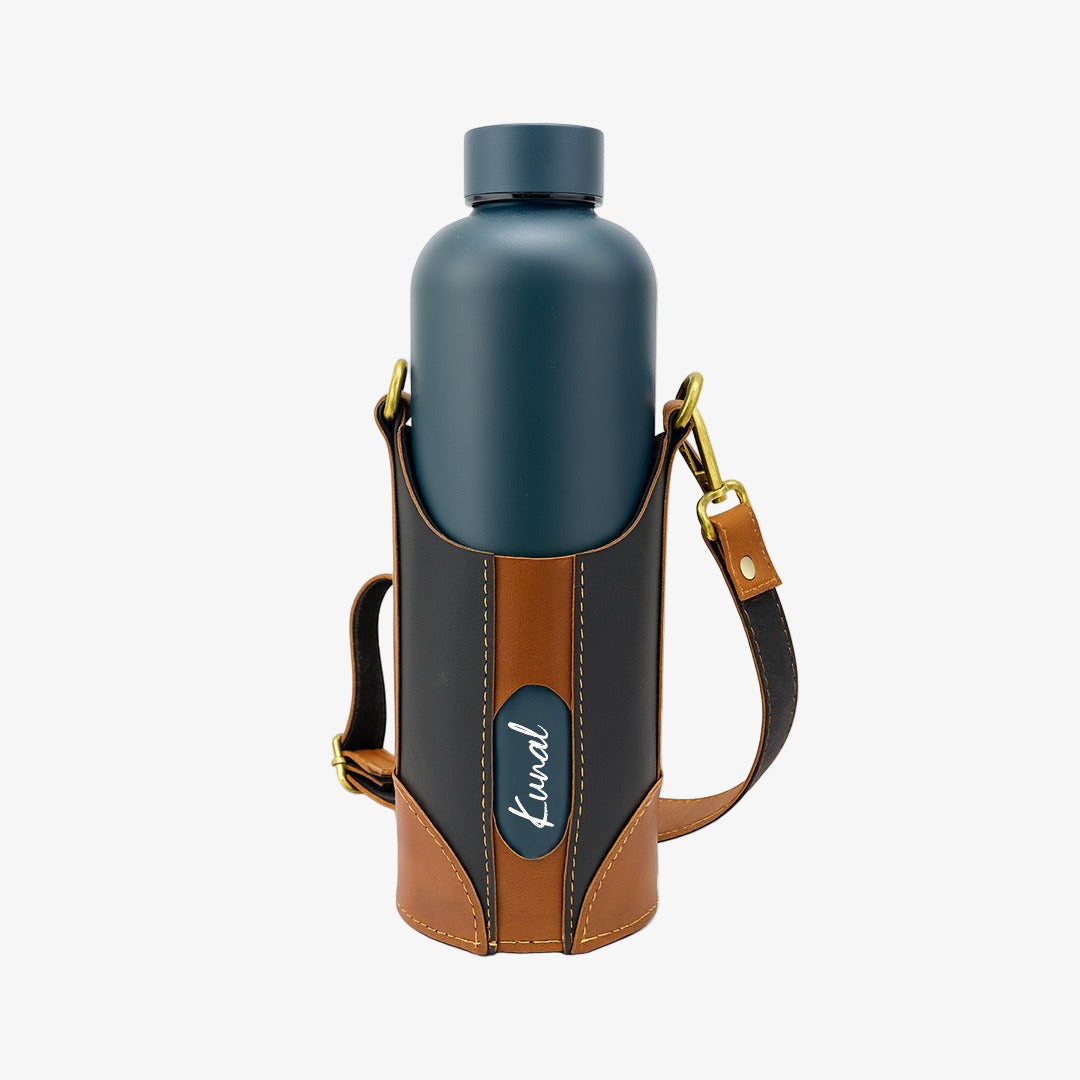
- Will it be in their daily life in March? A gift used in ordinary weeks; a bottle at the gym, a wallet in a pocket, a jewellery box on a dresser; repeats its message all year. Consumables say it once.
The gift does not need to be personalised in the engraved sense to pass this test. A handwritten note can do it. But an object that carries the personalisation on its surface does the remembering for you, every single day.
Frequently Asked Questions
Why do personalised gifts feel more meaningful?
Personalised gifts signal effort and specific attention; psychologists call this effort signalling. Receivers value the thought invested in a gift more than its price, and a name or shared reference is visible proof that the giver thought about them specifically.
Are personalised gifts better than cash for Rakhi?
For emotional impact, yes. Cash is absorbed into monthly expenses and forgotten, while a personalised keepsake triggers the endowment effect; it feels permanently "theirs" and keeps the memory of the giver active every time it is used. Cash remains practical; it just carries no story.
What makes a Rakhi gift feel personal without being expensive?
Specificity, not spend. A nickname instead of a formal name, a shared memory or inside joke, a photo from childhood, or a handwritten note all make a modest gift feel chosen. The test: could this gift have gone to any sibling, or only yours?
Do brothers and sisters actually keep personalised gifts longer?
Yes; because personalised items cannot be regifted, exchanged, or shared, they stay with one owner. Daily-use personalised items in particular tend to be kept for years, since the name on them makes replacement feel like discarding the relationship it represents.
A Closing Thought
Strip away the theory and it comes down to this: on Raksha Bandhan, nobody is really asking for a gift. They are asking a quieter question; do you still know me? A name on an object is one small, permanent way of answering yes.